November 5, 2026
Every year, auto repair shops across the country find themselves working on a variety of common breakdowns. These issues not only impact drivers, causing frustration and inconvenience, but they also have a significant influence on the automotive repair industry. With over 289 million registered light-duty vehicles in the United States, including cars, pickup trucks, and SUVs, the number of breakdowns continues to rise, according to Kelley Blue Book. Visiting certified auto repair shops ensures that potential mechanical problems are identified and resolved before they compromise driver safety.
1. Resolving Complex Engine Problems and Failures
Recognizing Common Symptoms and Diagnostic Procedures
Engine problems often manifest through a variety of symptoms, such as unusual noises, loss of performance, or warning lights on the dashboard. Experienced mechanics at reputable auto repair shops use advanced diagnostic tools to identify the root causes of these issues effectively. These tools provide detailed readings of engine components, helping to pinpoint problems such as misfires or reduced compression in the cylinders. In some cases, a simple visual inspection can reveal issues like oil leaks or damage to visible engine parts. Accurate diagnosis is critical, as it forms the foundation for the subsequent repair work.
Understanding the Most Common Underlying Causes
There are numerous reasons why engines may experience problems, including overheating, oil leaks, and worn-out components. Overheating is a frequent issue caused by failures in the cooling system, such as malfunctioning thermostats or failed water pumps. This can lead to substantial damage to engine components, including cylinder heads and pistons, if not addressed promptly. Oil leaks often stem from degraded gaskets or seals, resulting in insufficient lubrication for engine parts. Without proper lubrication, engine components can wear out prematurely, leading to performance issues and potential breakdowns.
Applying Industry-Standard Engine Repair Techniques
Repair techniques for engine problems vary based on the specific issue identified during diagnostics. For overheating engines, repairs may involve replacing the thermostat, water pump, or radiator, and flushing the coolant system. Mechanics often employ gasket replacements and seal repairs to address oil leaks, ensuring the engine remains well-lubricated. When dealing with worn-out components like timing belts, specific manufacturer-recommended replacements ensure compatibility and longevity. Advanced tools, such as torque wrenches and diagnostic scanners, are standard in engine repair to ensure precision and accuracy.
Implementing Effective Preventative Maintenance Strategies
Preventative maintenance is crucial in avoiding engine problems, and it encompasses a wide range of strategies designed to keep engines running smoothly. Regular oil changes performed at trusted auto repair shops are one of the simplest and most effective ways to prevent wear and tear on engine components. Clean oil ensures that moving parts are lubricated effectively, reducing friction and preventing overheating. Additionally, checking and replacing air filters can enhance engine efficiency by ensuring a clean air supply for combustion. Ensuring that the cooling system is in good condition also prevents overheating, one of the leading causes of engine damage.
Evaluating Associated Financial and Labor Costs
The financial implications of engine repair and replacement can be significant, with costs varying based on the extent of the damage and the make and model of the vehicle. Minor repairs, such as replacing a thermostat or fixing an oil leak, may cost a few hundred dollars, while major repairs, like an engine rebuild, can easily reach several thousand. Labor costs, parts, and specialized tools contribute to the overall expense. Additionally, certain vehicle models may have parts that are harder to source, further driving up costs. As such, drivers need to weigh the repair cost against the vehicle's value when considering extensive engine repairs.
2. Managing Critical Transmission Failures and Malfunctions
Identifying Crucial Warning Signs of Failure
Transmission failures often present themselves through distinct symptoms, allowing for early diagnosis and intervention. Drivers may notice unusual noises when shifting gears, delayed or erratic shifting, and sometimes a burning smell, indicating overheating or fluid leaks. Diagnostic tools aid technicians in identifying transmission issues by scanning the vehicle's onboard computer for error codes. These codes can reveal if there are electronic issues or physical damage within the transmission. Given the complexity of transmission systems, accurate identification of the underlying problem is essential for effective repairs.
Examining Typical Mechanical and Electrical Causes
The causes of transmission failures can vary, although gear wear, low transmission fluid, and electronic failures are particularly common. Gear wear results from natural usage or improper handling, leading to grinding noises and difficulty in shifting gears. This wear is exacerbated in vehicles that often operate under heavy loads or engage in frequent stop-and-go driving. Low transmission fluid, the lifeblood of the transmission system, can result from leaks or neglect, leading to overheating and diminished lubrication. Without sufficient fluid, metal components grind against each other, accelerating wear and damage.
Weighing Practical Repair and Replacement Options
Repair and replacement options for transmission failures depend on the specific problem diagnosis and the vehicle's age and value. Minor issues, such as a failed sensor or fluid leak, can often be repaired quickly at professional auto repair shops at a relatively low cost, involving fluid replacement or new component installation. However, more severe damage, such as worn gears or significant internal damage, may require a transmission rebuild or replacement. A rebuild involves disassembling the transmission, replacing worn or damaged parts, and reassembling it to restore functionality.
Following Vital Routine Transmission Maintenance Tips
Regular maintenance is critical in extending the lifespan of a vehicle's transmission, helping to prevent common causes of failure. Routine fluid checks and replacements are the cornerstone of transmission care, as clean fluid ensures effective lubrication and cooling of internal components. Dedicated auto repair shops often recommend specific intervals for fluid changes, although the owner's manual provides a reliable reference point for each vehicle model. Using quality transmission fluids designed for specific vehicle types further enhances performance and longevity.
Conducting a Comprehensive Cost Analysis Breakdown
The costs associated with transmission repairs and replacements can vary significantly, influenced by several factors, including the vehicle's make, model, and age. Minor repairs might cost a few hundred dollars, whereas major rebuilds or replacements can range from several thousand dollars to more than $10,000. Labor charges play a significant role, given the complexity and time-consuming nature of transmission repairs. Additionally, specific vehicle transmissions may present challenges in sourcing replacement parts, further affecting costs.
3. Addressing Dangerous Brake System Failures
Recognizing Critical Symptoms of Brake Issues
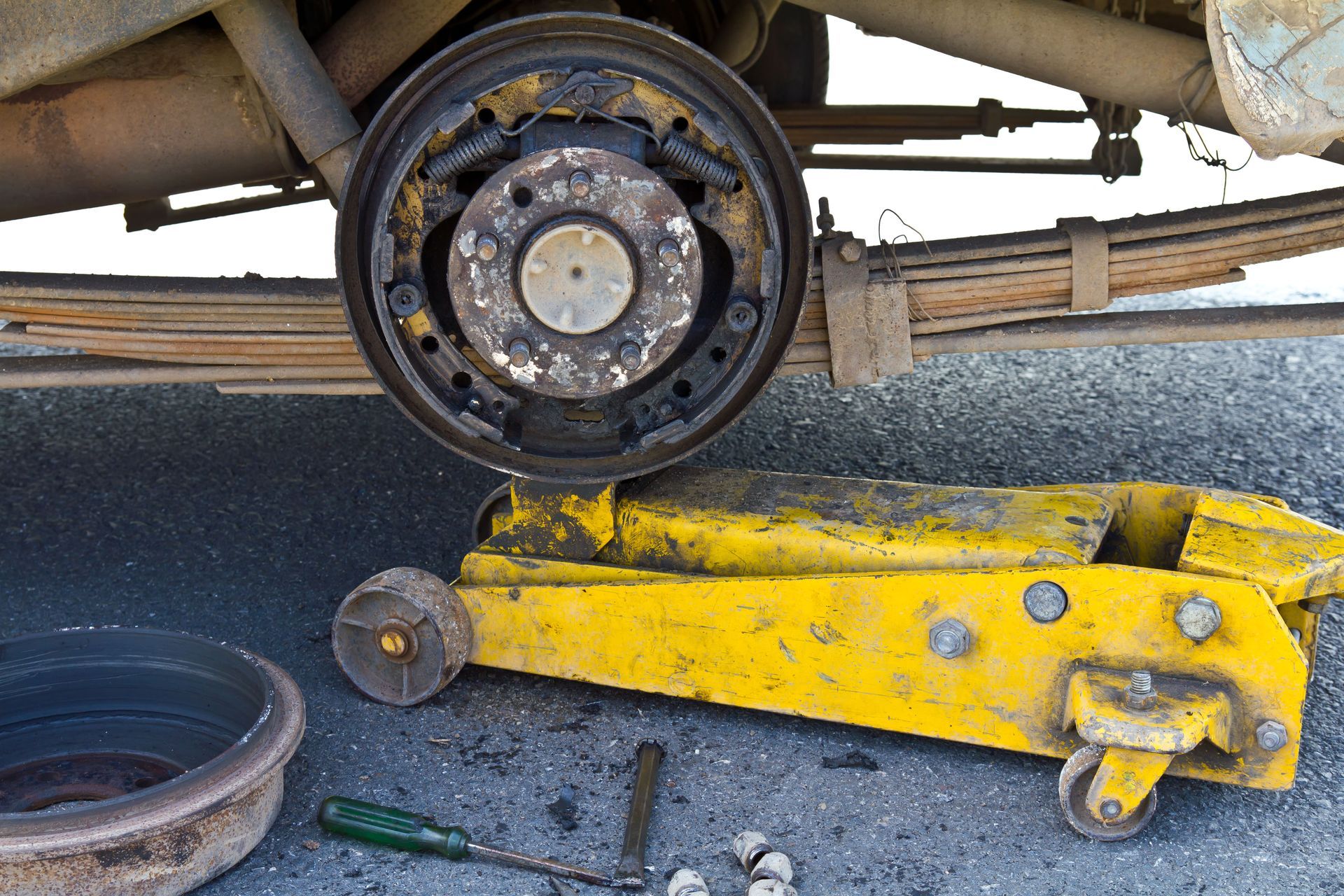
Brake system failures are among the most hazardous issues a driver can encounter, as they directly impact vehicle safety and stopping capability. Common warning signs include squealing or grinding noises when applying the brakes, a soft or spongy brake pedal, and longer stopping distances. Additionally, vibrating or pulsating sensations during braking and an illuminated brake warning light on the dashboard signal potential problems. As brakes are critical to operational safety, consulting established auto repair shops should be done immediately upon noticing these symptoms.
Investigating the Common Causes of Failures
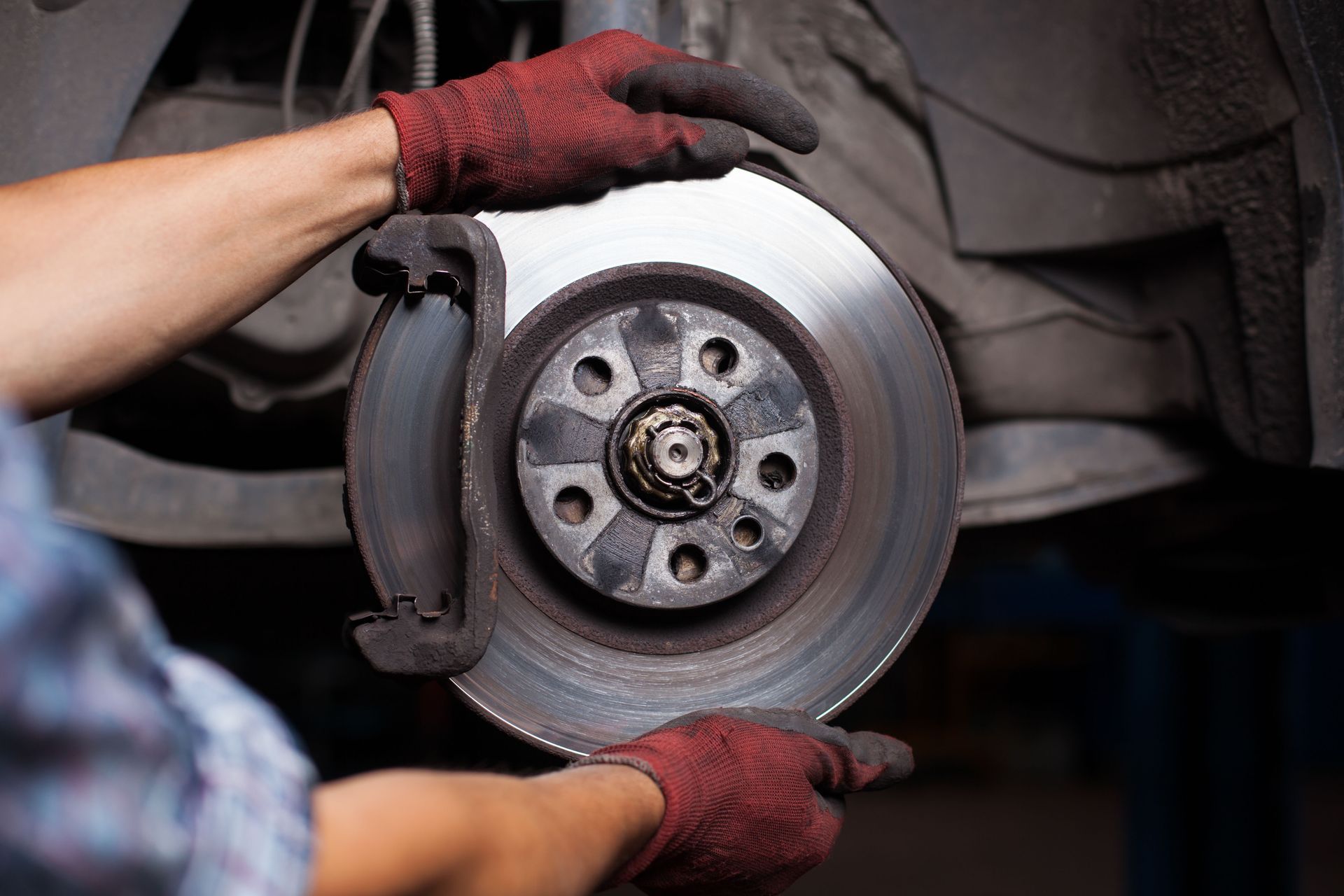
Common causes of brake failures include worn pads, rotors, and fluid leaks within the hydraulic system. Brake pads experience natural wear and tear due to friction generated during braking, necessitating regular inspection and replacement. Leaving worn pads unaddressed can damage the rotors, leading to expensive repairs and reduced brake efficiency. Another frequent issue is warped rotors, often caused by excessive heat buildup from prolonged or frequent braking, leading to vibrations and pulsing during stops. Over time, heat can degrade rotor material, causing surface irregularities that compromise braking smoothness.
Understanding and addressing common vehicle breakdowns—from engine trouble and transmission slips to compromised brake systems—is essential for extending vehicle longevity and safeguarding everyone on the road. While vehicle wear and tear is inevitable with age and daily use, consistent preventative maintenance remains the most effective defense against catastrophic failure and exorbitant repair expenses. Partnering with reputable auto repair shops ensures that minor symptoms are caught early through advanced diagnostic tools and resolved using certified replacement components. By taking a proactive approach to automotive upkeep, motorists can enjoy optimal performance, improved fuel efficiency, and dependable peace of mind on every journey.
Keep your vehicle running safely, smoothly, and reliably on the road by contacting AK Motors today to schedule your comprehensive automotive maintenance and repair services!