August 27, 2026
Brakes are among the most important components on any vehicle because they allow drivers to slow down, stop, and respond to changing road conditions. Although brake components naturally wear over time, certain driving habits can accelerate that process considerably. Frequent hard braking, riding the brakes, carrying excessive loads, and ignoring early warning signs can all contribute to premature wear.
Understanding how driving behavior affects braking components can help vehicle owners make more informed decisions about maintenance and professional service. According to Kelley Blue Book, the average vehicle traveling on U.S. roads is now nearly 13 years old. As vehicles remain in service longer, maintaining essential systems such as the brakes becomes increasingly important. Recognizing habits that contribute to unnecessary wear can help drivers protect their vehicles and maintain dependable stopping performance.
Recognizing Frequent Hard Braking
Hard braking occurs when a driver applies substantial pressure to the brake pedal to slow the vehicle rapidly. While emergency braking is sometimes unavoidable, repeatedly stopping aggressively can generate significant heat and friction. Over time, this can accelerate wear on brake pads, rotors, and other related components.
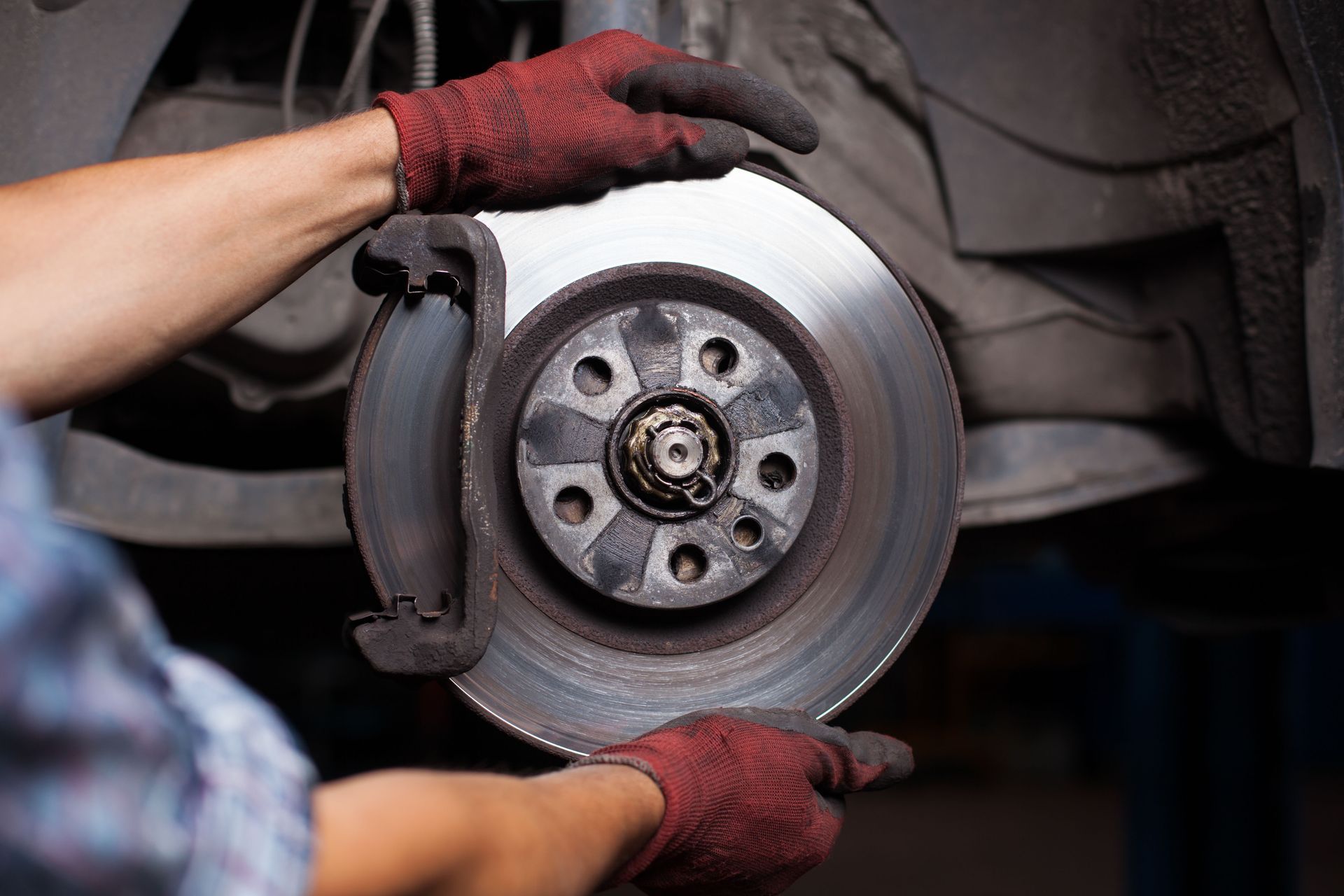
Drivers who regularly accelerate quickly and then brake hard may place unnecessary stress on their braking systems. This pattern can occur in city traffic, during rushed commutes, or when following other vehicles too closely. Maintaining more consistent speeds and leaving appropriate following distances can reduce the frequency of abrupt stops. When braking components show excessive wear, local brake repairs can help identify the underlying condition and restore proper performance.
Avoiding Constant Brake Pedal Pressure
Some drivers keep their foot resting lightly on the brake pedal while traveling, particularly when navigating hills or heavy traffic. Even slight pressure can cause the braking system to remain partially engaged. This creates unnecessary friction and heat, potentially accelerating component wear.
Constant pedal pressure can also make the braking system work harder than necessary during ordinary driving. Drivers may not immediately recognize the habit because the vehicle can continue operating normally. However, repeated exposure to unnecessary friction can contribute to shortened component life. Professional inspections can determine whether unusual wear has developed and whether local brake repairs are appropriate.
Reducing Aggressive Stop-and-Go Driving
Heavy traffic can create repeated cycles of acceleration and braking. While some stop-and-go conditions are unavoidable, aggressive driving within traffic can increase the number and intensity of braking events. Continually rushing forward only to stop moments later places additional demands on the braking system.
A smoother driving style can reduce unnecessary braking without compromising safety. Maintaining a reasonable distance from the vehicle ahead gives drivers more time to respond gradually when traffic slows. This can help reduce excessive heat and friction while creating a more predictable driving experience. When repeated traffic exposure has contributed to brake deterioration, local brake repairs can address worn or damaged components.
Managing Heavy Vehicle Loads
A vehicle's braking system is designed to operate within certain weight and performance parameters. Carrying unusually heavy loads can increase the amount of force required to bring the vehicle to a stop. The added weight can also increase heat and stress throughout the braking system.
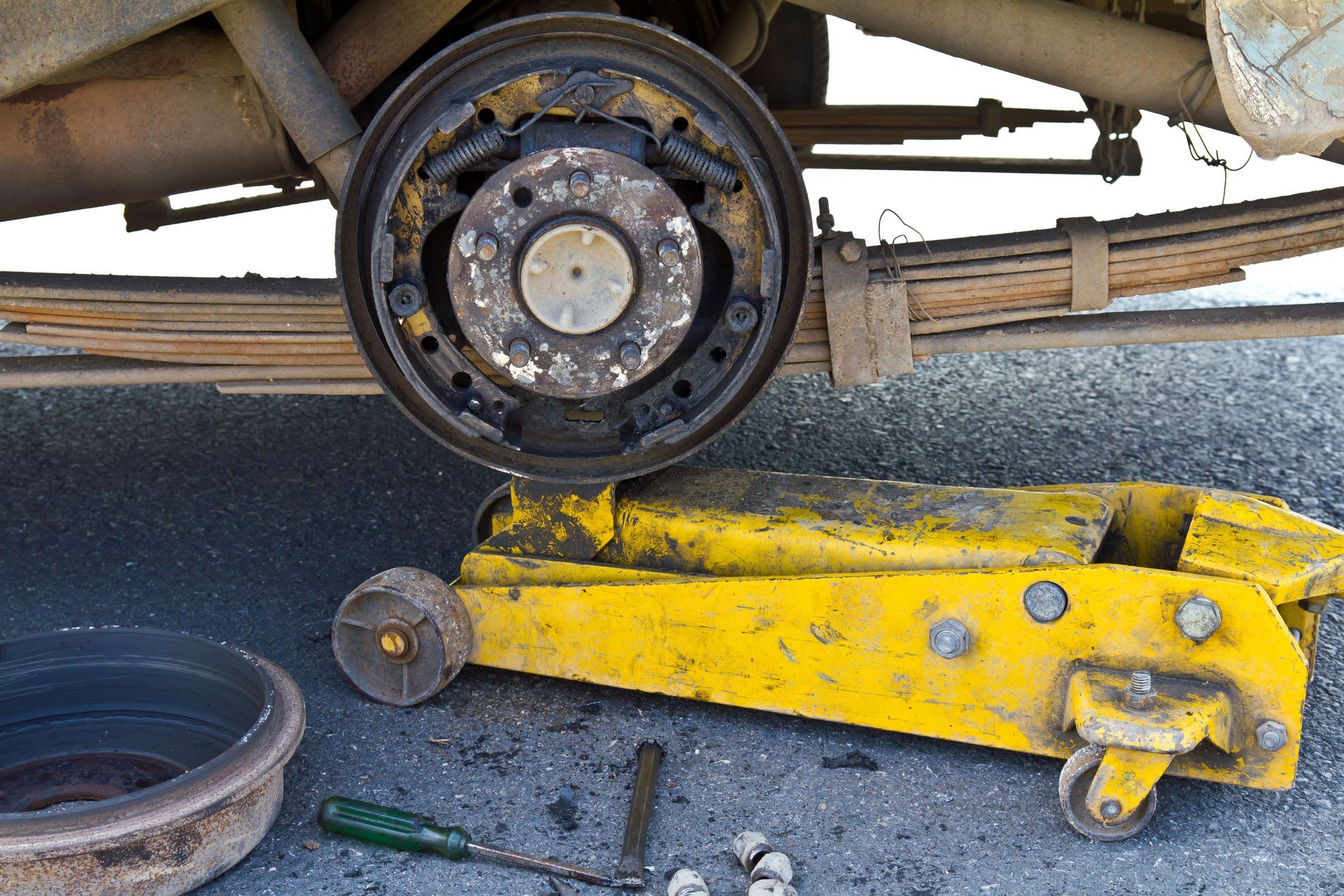
Drivers who frequently transport heavy equipment, cargo, passengers, or towing loads should recognize that these conditions can affect brake wear. Increased demands may cause components to deteriorate faster than they would under ordinary driving conditions. Professional service can evaluate whether the braking system is handling its normal operating demands appropriately. If excessive wear is present, local brake repairs may be necessary to restore reliable braking performance.
Controlling Speed Before Descending
Long or steep hills can place substantial demands on a vehicle's brakes. Drivers who maintain excessive speed while descending may rely heavily on the brake pedal to control that speed. Continuous braking can generate significant heat, which may affect braking performance and accelerate component wear.
Appropriate speed management before entering a descent can reduce the amount of braking required. Drivers should also remain attentive to changing road conditions and traffic while traveling downhill. Excessive heat can contribute to changes in braking performance, making professional evaluation important when unusual symptoms develop. Timely local brake repairs can help address components affected by demanding driving conditions.
Avoiding Unnecessary Acceleration
Frequent acceleration followed by immediate braking creates an inefficient driving pattern. Each cycle requires the braking system to convert the vehicle's momentum into heat through friction. When this occurs repeatedly, brake components can wear faster than they would during smoother driving.
Aggressive acceleration may also increase the likelihood of sudden stops when traffic patterns change. Maintaining steady speeds when conditions allow can reduce unnecessary transitions between acceleration and braking. This approach can support more consistent vehicle operation while minimizing avoidable demands on the braking system. Professional inspections can help identify whether repeated aggressive driving has contributed to premature wear.
Responding to Early Brake Warnings
Ignoring early signs of brake trouble can allow a relatively manageable concern to develop into a more extensive problem. Squealing, grinding, vibrations, pulling, changes in pedal feel, or unusual stopping behavior can all warrant professional evaluation. Continuing to drive without addressing these symptoms may increase the potential for additional component damage.
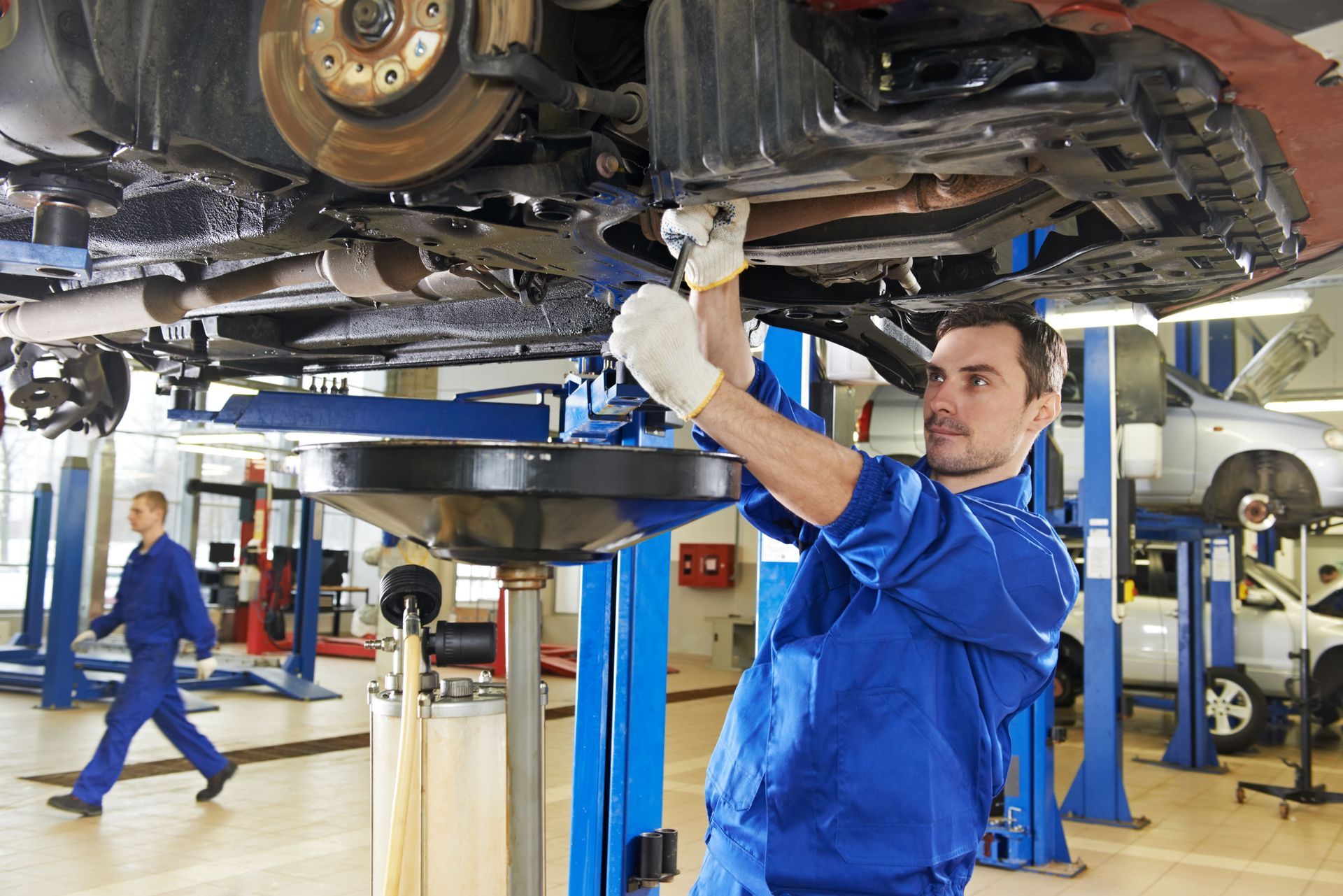
Early professional attention can provide valuable information about the condition of the braking system. A technician can inspect relevant components and determine what may be causing the change in performance. Addressing developing problems promptly can help prevent additional wear and maintain consistent stopping ability. Local brake repairs can provide the professional attention needed when inspection findings reveal damaged or worn components.
Understanding Brake Heat Buildup
Heat is a natural part of the braking process because friction converts the vehicle's motion into thermal energy. Under normal conditions, braking components are designed to manage this heat. However, repeated aggressive braking or prolonged brake application can create more heat than the system can effectively dissipate.
Excessive heat can contribute to changes in braking performance and accelerated component wear. Drivers who frequently travel through mountainous areas, congested roads, or other demanding conditions should be particularly aware of how their habits affect brake temperatures. Professional service can help determine whether heat-related wear has affected the system. Local brake repairs can address conditions that compromise braking performance after repeated thermal stress.
Maintaining Appropriate Following Distances
Following too closely can increase the likelihood of sudden braking. When traffic slows unexpectedly, a driver with limited space may have no choice but to apply the brakes aggressively. Repeating this pattern during daily driving can contribute to unnecessary wear.
Maintaining a reasonable following distance provides additional time to react to traffic changes. It can also encourage smoother braking and reduce the need for abrupt stops. This habit benefits overall driving safety while potentially reducing unnecessary stress on brake components. When braking systems have already experienced accelerated wear, professional evaluation can determine whether local brake repairs are needed.
Considering Frequent Short Trips
Short trips can place different demands on a vehicle than longer drives. Frequent starts and stops may require repeated braking cycles, particularly when driving through residential neighborhoods or busy commercial areas. If these trips involve numerous intersections and traffic signals, brake components may experience substantial repeated use.
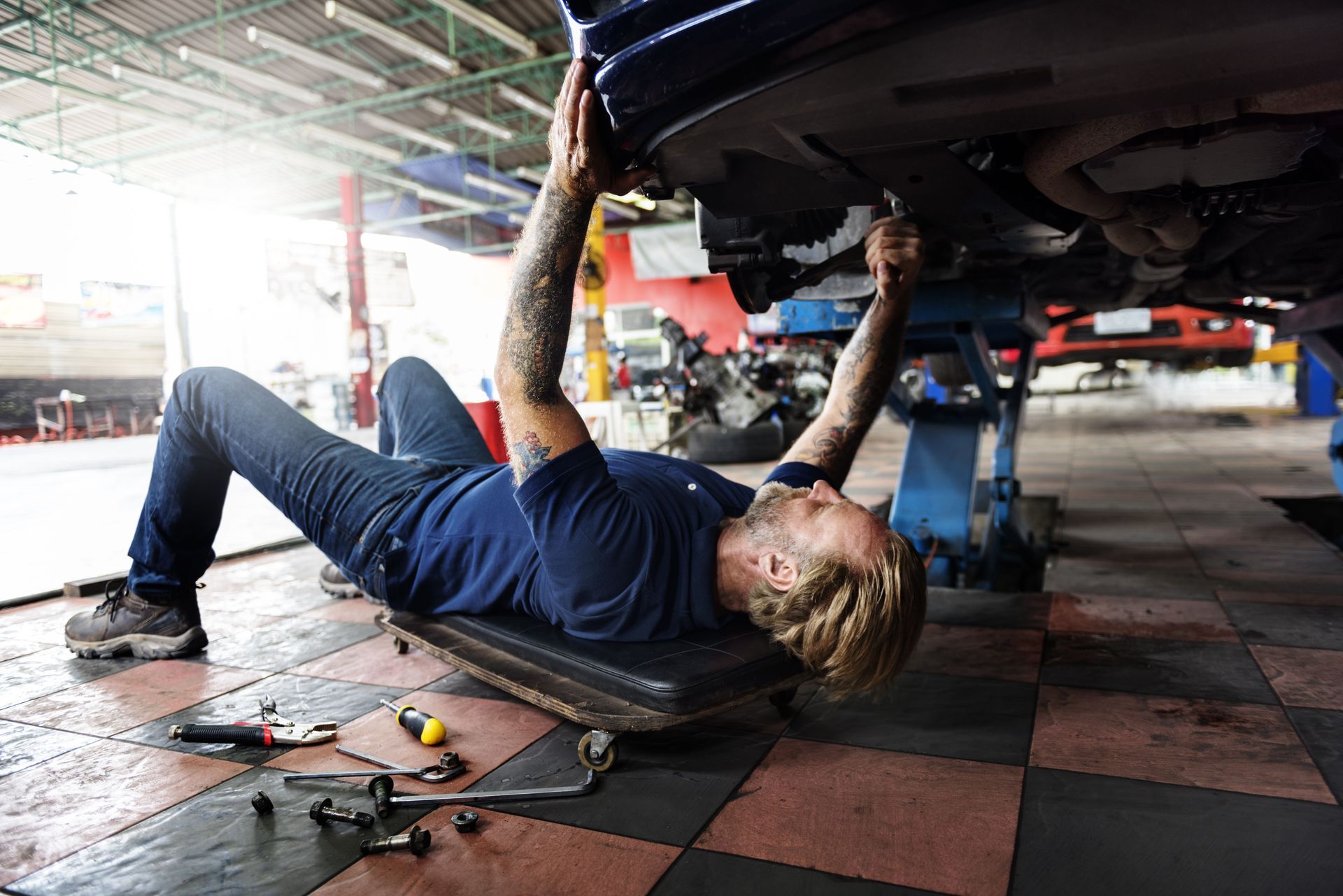
Professional maintenance remains an important part of keeping an aging vehicle dependable. Drivers should pay attention to changes in braking performance and seek qualified evaluation rather than ignoring warning signs. At AK Motors Inc, we provide professional automotive services designed to help drivers maintain safe, reliable vehicles. Contact AK Motors Inc today to schedule an inspection and learn how our
local brake repairs can help keep your vehicle's braking system performing properly.