March 13, 2026
Understanding the importance of brake maintenance is crucial for vehicle safety and performance. This article aims to guide you through identifying common issues, symptoms, and professional advice regarding brake repairs.
Understanding the Importance of Brake Maintenance
Brakes are one of the most critical components of any vehicle, playing a vital role in ensuring safety on the road. They work by using friction to slow down or stop the movement of the wheels, which is essential for controlling the vehicle's speed and direction. Without a reliable braking system, drivers would be unable to respond appropriately to changes in traffic conditions, leading to potential accidents. Therefore, regular brake maintenance is not just a matter of vehicle performance; it's a crucial aspect of road safety. Regular checks can prevent the wear and gradual degradation that happens over time, ensuring that the brakes function effectively during an emergency.
Regular brake maintenance extends the life of the brake system by ensuring each component functions as intended. Regular inspections and timely replacements are necessary to prevent larger, more expensive issues from occurring later. Scheduling routine maintenance can also minimize the risk of brake failure, which often occurs without warning and can be catastrophic. By entrusting your vehicle to qualified professionals for regular inspections, you catch issues early, before they develop into significant problems. This proactive approach to maintenance can save vehicle owners both time and money.
Neglecting brake maintenance can lead to severe consequences, both financially and in terms of safety. Brake failure can result in accidents, leading to costly brake repairs, insurance claims, and even potential legal consequences. Furthermore, the cost implication goes beyond the immediate repair, as neglect can significantly reduce the resale value of the vehicle. Cities or regions with specific legal requirements for vehicle maintenance, including brakes, may impose fines or other penalties for non-compliance. Thus, regular maintenance is not only recommended but in some areas, a legal necessity, with genuine safety implications for the driver and others on the road.
Identifying Common Brake Problems
Identifying symptoms of brake problems early can prevent more severe issues and ensure vehicle safety. Unusual noises like squealing, grinding, and thumping are often the first indications that something is wrong. Squealing might suggest worn brake pads, while grinding typically indicates the pads are completely worn away, and the metal is scraping against the rotors. Thumping noises can signify an issue with the brake calipers or uneven rotor surfaces. Regular attention to such noises can help diagnose issues before they escalate.
Reduced responsiveness and increased stopping distance are critical warning signs of brake problems. This can be especially dangerous in situations demanding sudden stops, such as city driving or rush-hour traffic, where brakes could last only 15,000 to 30,000 miles. When brakes feel less responsive, it often indicates an issue with the brake fluid or air in the brake lines. If the pedal feels soft or goes down too quickly, there may be a fluid leak or air in the hydraulic brake lines. Addressing these issues promptly maintains the brake system's efficiency, ensuring that it operates correctly when needed.
Another symptom of braking issues is vibration or pulsation felt in the brake pedal or steering wheel. This usually indicates warped rotors, possibly due to extreme heat or wear, and should be corrected to avoid further damage. Additionally, warning lights such as the ABS (Anti-lock Braking System) indicator are designed to alert drivers to potential brake system failures. Ignoring these lights can lead to more hazardous driving conditions and the possibility of significant brake repairs. Visible signs of wear, such as thinning brake pads or apparent damage to the rotors or lines, should be checked and addressed immediately by a qualified professional.
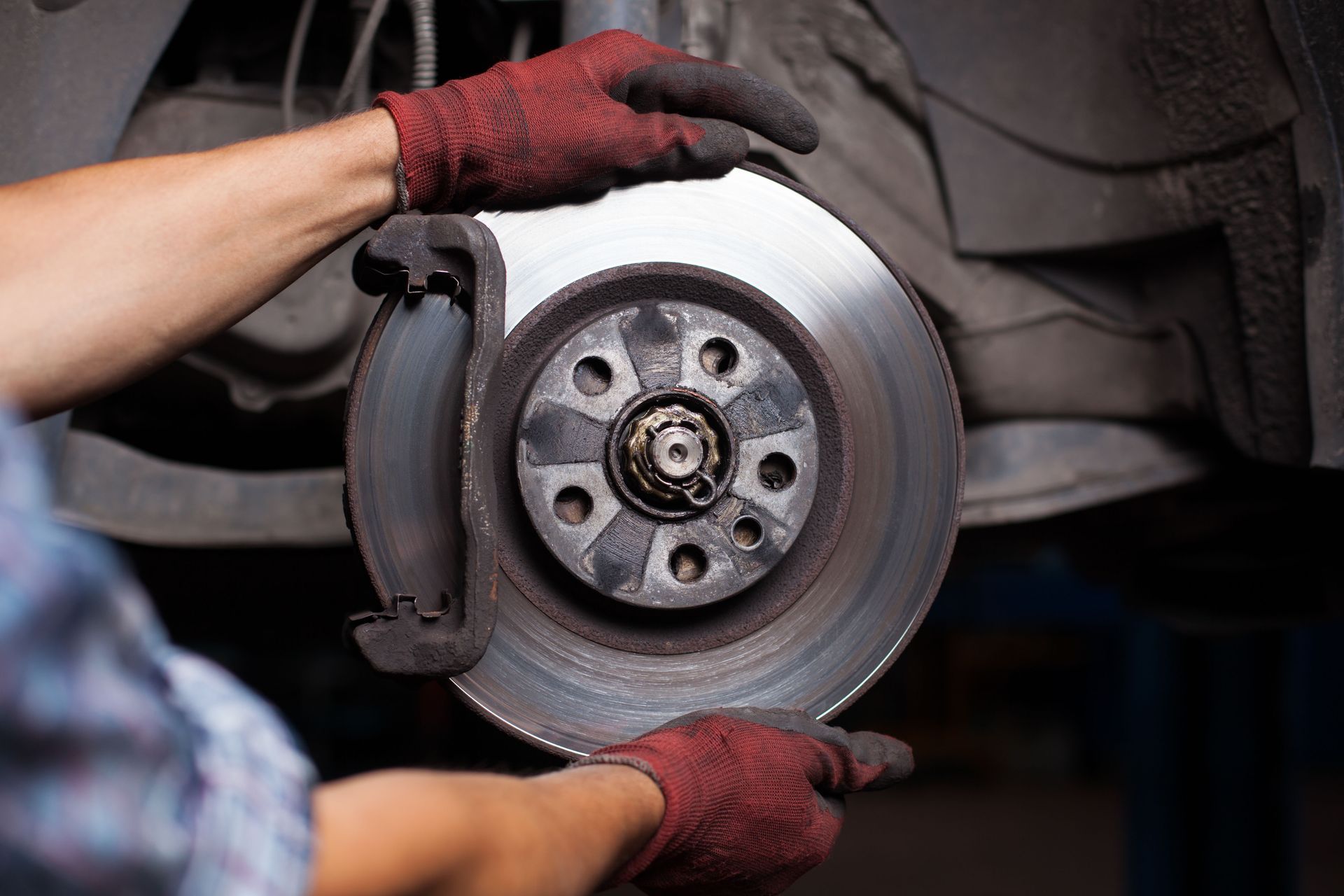
Often, brake pad replacement is one of the most common types of maintenance required. Brake pads endure constant friction and typically need regular replacement over the lifespan of a vehicle. This service prevents metal-on-metal contact which can damage the rotors, often resulting in much more intensive brake repairs. Regular inspections will reveal the level of pad wear, letting drivers replace them before they completely degrade. Keeping on top of brake pad wear is a simple yet effective way to maintain the brake system's functionality.
Rotor resurfacing or replacement is another critical aspect of maintaining a car's braking system. Warped rotors, felt through steering pulsation during braking, should be immediately checked. While resurfacing is a cost-effective approach, severely warped or worn rotors often need complete replacement. Resurfacing, when done timely, can extend their life and maintain smooth braking operation. Well-maintained rotors contribute significantly to the vehicle's overall stopping power and safety.
Brake fluid leaks can severely compromise a vehicle's braking system and may need urgent brake repairs. Damage to brake lines, calipers, or the master cylinder can cause fluid leaks, leading to reduced braking efficiency. Fluid leaks are usually evident from small puddles under the vehicle and a noticeable decrease in braking performance. Immediate attention to fluid leaks is mandatory to avoid air infiltration into the brake lines and subsequently prevent brake failure. Ensuring there is adequate brake fluid is crucial for a safe and responsive braking system.
Choosing the Right Brake Repair Service
Selecting the right service for brake repairs is crucial for ensuring quality and reliability. Key factors to consider include the service center's reputation, the mechanics' qualifications, and the services offered. Reputable centers provide transparency in pricing and offer guarantees on their brake repairs. Ensuring the service center's mechanics are certified and experienced can protect against inadequate or improper repairs. Customer service quality is also a crucial consideration, as clear communication simplifies the repair process and sets accurate expectations.
Vetting a reputable mechanic or service center can be done through various methods. Recommendations from family and friends often lead to reliable selections, as word-of-mouth is a strong indicator of consistent service. Additionally, looking into the service center's history and professionalism can be revealing. Certifications from trusted automotive organizations can also assure credibility and the expected service standard. Judicious vetting helps avoid unqualified or dishonest service centers.
Understanding warranties and guarantees offered by service centers provides additional peace of mind. Reliable mechanics often offer warranties covering parts and labor, ensuring protection against defects. Guarantees serve as a form of reassurance that the service center stands behind their work. Online reviews and customer feedback can further highlight customer satisfaction or reveal potential red flags. Comparing prices and service packages ensures a balanced decision, aligning quality service with budget considerations.
Minimizing Brake Problems
Preventative maintenance is essential in minimizing brake problems and ensuring vehicle safety. Regular brake inspections allow for early detection of issues before they develop into larger, more costly problems. Catching issues like pad wear or fluid levels during routine checks can prevent unexpected brake failures. Conducting inspections every 10,000 to 15,000 miles is a good practice for keeping the braking system in optimal condition. Regular inspections provide peace of mind and contribute to safe driving experiences.
Brake fluid checks and changes are critical components of maintaining a healthy brake system. Over time, brake fluid can become contaminated or degrade, reducing its effectiveness and leading to decreased stopping power. Regular checks, usually annually, ensure the fluid remains in good condition to provide efficient braking. Addressing fluid issues promptly can prevent long-term damage to the braking system. This maintenance step, as well as fluid replacement every two years, is vital for sustaining brake performance.
Safe driving practices significantly reduce brake wear and extend their lifespan. Sudden stops and aggressive driving lead to excessive brake use, hastening pad and rotor wear. Simultaneously, maintaining a safe following distance and gradually slowing down can conserve the braking system. According to Cars, city driving or intense traffic conditions result in brakes that last only 15,000 to 30,000 miles, highlighting the cost of aggressive driving habits. Using high-quality brake components can also contribute to more durable performance and longer life spans for the brake system.
Proactively addressing brake issues is vital for vehicle safety and reliability. By recognizing the signs of brake problems, understanding the types of brake repairs, and deciding on the appropriate service level, drivers can ensure their vehicle's braking system operates optimally, providing peace of mind on the road. If your car needs brake repair services, reach out to AK Motors today!