November 9, 2026
Understanding the basics of brake repair is crucial for maintaining vehicle safety and optimizing performance. The brake system is undoubtedly one of the most important components of any automobile. Regular maintenance and timely repairs can prevent serious accidents and keep your vehicle running smoothly. It is essential to become familiar with the signs of wear and potential issues to ensure your brakes are always in optimal condition. This article will guide you through the essential aspects of local brake repair, equipping you with the knowledge to make informed decisions about repairs and maintenance.
As vehicles age, brake components can wear out, necessitating regular inspections. A proactive approach can ensure that your brakes function effectively and avoid costly repairs in the long run. Neglect can lead to more severe issues, compromising safety and efficiency. With city driving or frequent stop-and-go traffic, brakes may wear out faster, sometimes only lasting 15,000 to 30,000 miles according to Cars.com. Understanding what causes brakes to wear and how to address these issues is vital for every vehicle owner.
Knowledge of local brake repair can also empower you to decide whether to undertake DIY repairs or seek professional assistance. Significant savings can be achieved with DIY repairs, but they require the right skills and tools. Conversely, professional services offer expertise but at a higher cost. This article will explore a balanced approach, helping you stay informed about the options available to you in your local area. With this foundation, you will be better prepared to ensure your vehicle receives the care it deserves.
Understanding Brake System Components
Brake Pads
Brake pads are integral to your vehicle’s braking system, directly affecting stopping power and safety. As you press the brake pedal, the pads create friction against the rotors, allowing your vehicle to slow down. Over time, they can wear out, causing decreased performance and potentially damaging other components. Regular inspections can highlight when a replacement is necessary, preventing further complications. Keeping an eye on wear indicators and understanding manufacturer guidelines can help maintain optimal brake performance.
The type of brake pads you use can also influence their longevity and performance. Organic, metallic, and ceramic pads each offer distinct benefits and drawbacks, and choosing the right type depends on your driving habits and conditions. Heavy city traffic and frequent stopping can accelerate wear, making your choice of pads even more crucial. Industry experts recommend consulting your vehicle's manual or a professional mechanic for tailored advice. This ensures that your brake pads offer both reliability and efficiency in your specific driving environment.
Routine maintenance checks can provide insight into the current state of your brake pads. Some vehicles feature electronic wear sensors that alert you when pads need replacement. However, a visual inspection remains a reliable method to approximate residual pad thickness. If you notice the pads becoming too thin or emitting a high-pitched squeal, it is time to replace them. Addressing these issues promptly will not only enhance safety but also prevent potential rotor damage from metal-to-metal contact.
Rotors
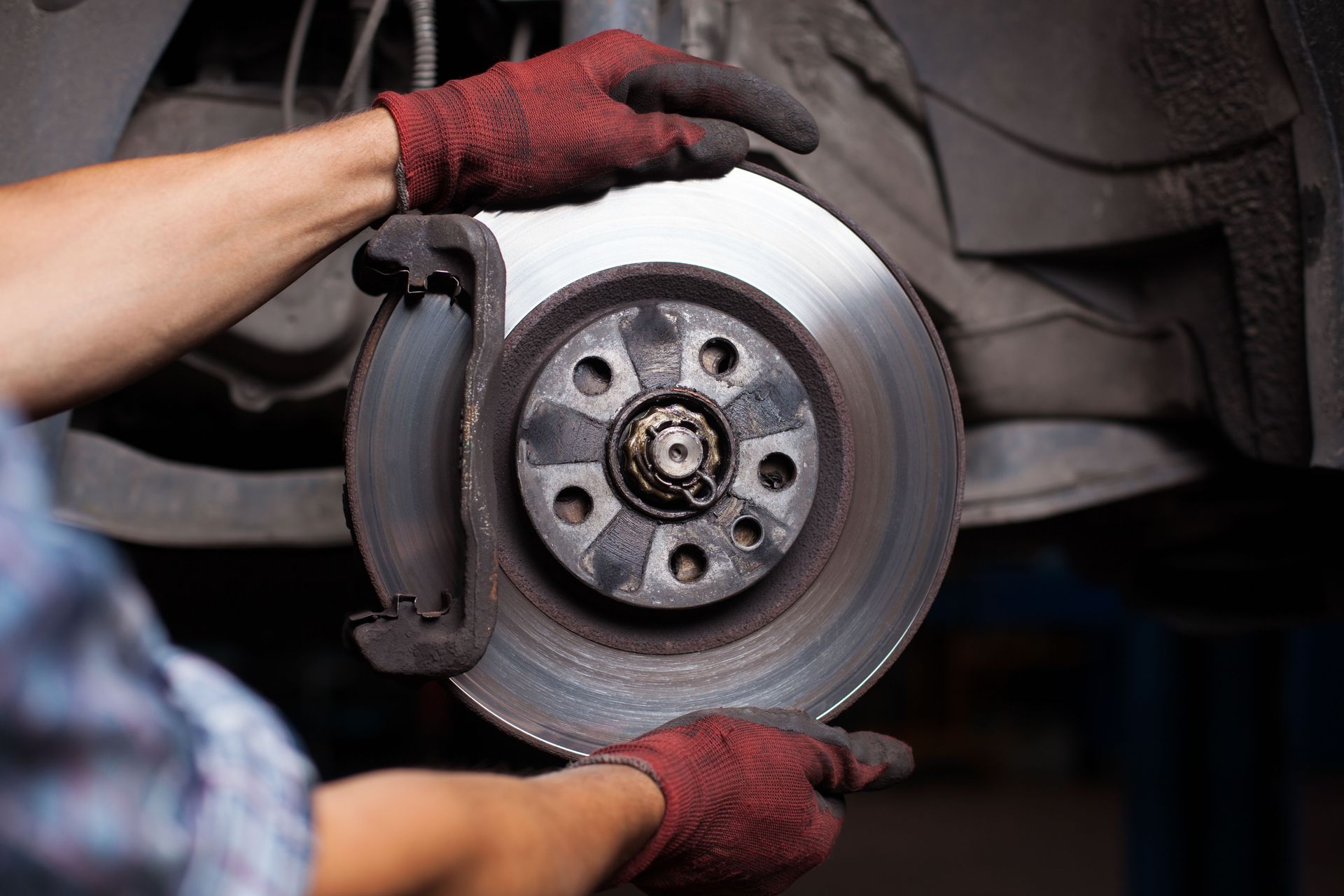
Rotors, or brake discs, are vital for effectively dissipating heat and ensuring consistent braking performance. These metal discs are clamped by the brake pads when you press the brake pedal, converting kinetic energy into thermal energy. Over time, rotors may exhibit wear patterns such as grooves or warping, which can lead to decreased braking efficiency and even vibrations. It’s crucial to have rotors inspected regularly to ensure that they are within the manufacturer’s wear limits. Regular resurfacing or replacement of rotors can safeguard against more substantial brake system issues.
The material and design of your rotors can impact how well your braking system performs under different conditions. High-performance rotors may feature cross-drilled or slotted designs to improve cooling and reduce brake fade. These options are often beneficial in heavy-use scenarios, such as towing or performance driving. However, for most daily drivers, standard rotors offer adequate performance and longevity. Regardless of design, ensuring that rotors are free from excessive wear and damage is essential for maintaining vehicle safety.
Proper maintenance of rotors can prevent damage and extend their lifespan. Routine inspections should look for physical defects such as warping and scoring, which can be addressed through machining or replacement. Ensuring that pads wear evenly and that rotor surfaces are clean and free from debris can help reduce stress on the brake system. By prioritizing rotor condition in your maintenance routine, you can enjoy improved performance and confidence in your vehicle’s ability to stop safely.
Brake Calipers
Brake calipers play a critical role in the braking system by housing the brake pads and pistons that clamp onto the rotors. When you press the brake pedal, the master cylinder sends brake fluid to the calipers, creating hydraulic pressure that drives the pistons against the pads. This mechanism converts the vehicle's kinetic energy to thermal energy, resulting in a stop. Ensuring that calipers function correctly is essential for achieving consistent and effective braking. Routine checks should involve examining the calipers for leaks, corrosion, and other signs of wear or damage.
The type of calipers used can influence the efficiency and cost of brake system maintenance. Fixed calipers have pistons on both sides of the rotor, offering superior braking power but can be more expensive and complex to maintain. Conversely, floating calipers, featuring a single piston on one side, may be more economical and straightforward for most users. Understanding these distinctions can help you make informed choices when replacing or maintaining calipers on your vehicle. Regardless of the type, ensuring proper operation and alignment of calipers can greatly influence overall brake performance.
Symptoms of caliper issues may include the vehicle pulling to one side during braking, a sensation of dragging while driving, or uneven brake pad wear. Such problems can stem from seized or sticking calipers, necessitating immediate attention to prevent further damage to the braking system. It may be necessary to rebuild or replace calipers to resolve the issue and restore optimal brake function. Regular checks and maintenance can preempt these symptoms, promoting enhanced safety and longevity of your vehicle's brake components.
Brake Lines
Brake lines are the crucial conduits that transport hydraulic brake fluid from the master cylinder to the calipers. Their integrity is fundamental to ensuring consistent hydraulic pressure and effective braking. Over time, brake lines can suffer from corrosion, cracking, or internal blockages, leading to diminished brake performance or complete failures. Regular inspections are necessary to ascertain the condition of brake lines and ensure there are no leaks or signs of wear. Properly functioning brake lines are an essential component of a reliable and safe brake system.
To avoid potential failures, it is important to pay attention to signs of wear in brake lines. These signs can include a low brake fluid level, a spongy brake pedal feel, or visible damage to the lines themselves. Any identified issues should be addressed swiftly by replacing the affected sections with new brake lines. In some cases, upgrading to stainless steel braided lines can provide added durability and improved braking performance. Consistent attention to the condition of brake lines can prevent leaks and maintain safe operation of the braking system.
Understanding the materials used in brake lines can further inform your maintenance practices. Rubber lines are standard in many vehicles, offering flexibility and cost-effectiveness, but are prone to wear over time. Conversely, steel braided lines can enhance resistance to abrasion and provide a firmer pedal feel, though they may have a higher upfront cost. Choosing the right brake line for your vehicle depends on driving conditions, budget, and desired performance. Regular maintenance and replacement when necessary ensure that brake lines continue to meet the demands of everyday driving safely. Be sure to reach out to AK Motors Inc today to learn more about our professional local brake repair!